
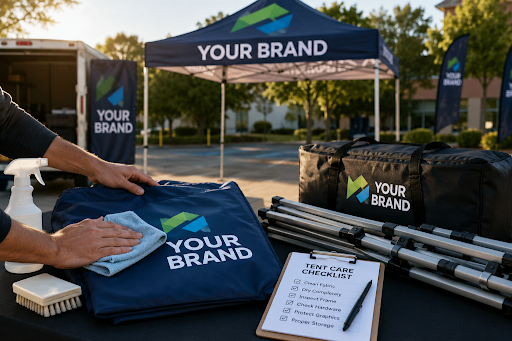
Year after year, custom tents get put to the test. Rain or shine, they stand through festivals, markets, games, and town meetings, always out in the open. The sun beats down. Wind tugs at seams. Dust sticks. Fabric becomes wet, folded, and shoved into trunks again and again. Most companies spend time picking a strong design. Hardly anyone thinks about cleanup once the crowd goes home.
Most people don’t fail to realize how important it is to clean up after each use. When gear gets wiped down, zippers checked, and fabric aired out, small habits make big differences later on. Skipping steps might save minutes now, yet shows clearly months afterward. A well-kept shelter handles wind better, sets up smoother, and stands straight when others sag. The same care applies to specialty structures like inflatable replicas; regular maintenance keeps them performing at their best across every event.
Extend Your Custom Tent’s Lifespan With Basic Care
- Proper Storage Bags and Cases
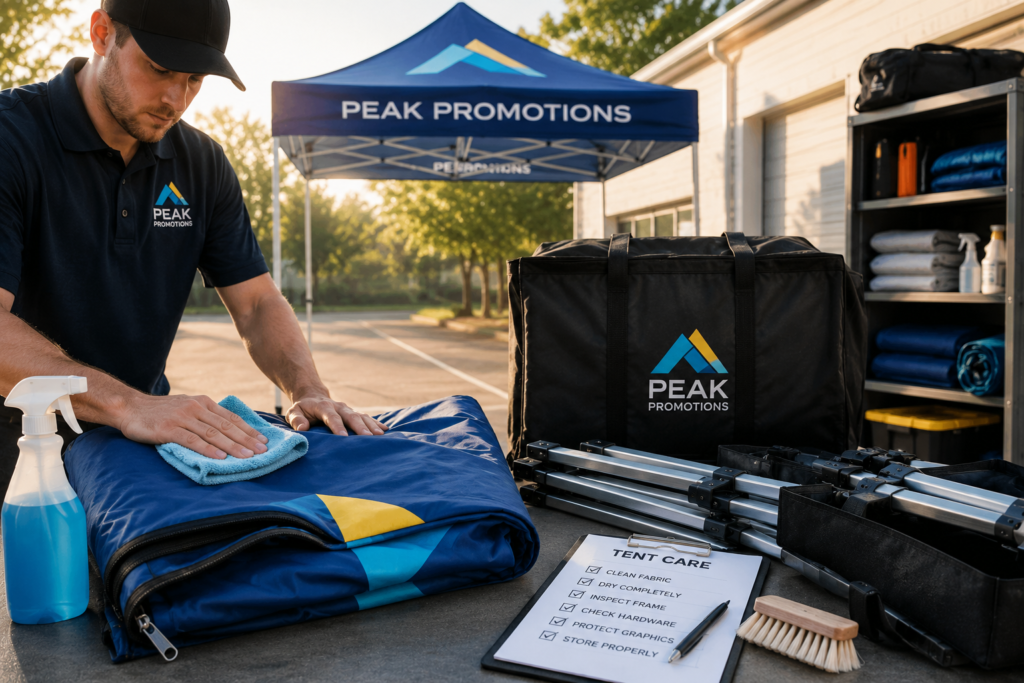
Frequently, moving things causes heavier damage compared to how they’re used during events. When things stay snug inside cushioned cases or neat packing setups, they move less on bumpy rides. Bumps matter less when gear is locked down tight. Efficiency creeps in once everything has its place, setup flows smoother, and takedown follows without delay. This same principle applies to all event structures. Proper transport cases protect the investment and ensure everything arrives event-ready. When gear is shielded during transport, it tends to last much longer.
- Clean Dirt Before Buildup
When outdoors, tents collect dust along with mud. Pollen sticks around just as much as leftover debris does. Rain tracks dirt inside while wind blows more grime across fabric seams. Leaves pile up where guests walk the most. Sun fades spots near zippers after days of exposure.
Later on, wiping things down soon after use stops grime from sticking too much. A gentle wipe with a damp cloth works well most times. Soap that isn’t strong, mixed with fresh water, keeps fabric looking decent. Instead of rough cleaners, try simpler options that tend to be safer. Printed parts might fade if touched by sharp liquids. Coatings meant to shield material could weaken when exposed to tough substances. Every now and then, wiping it down keeps colors bright while slowing wear on the fabric.
- Store Equipment in Stable Conditions
How long something lasts often ties closely to where it’s kept, not only how often it gets used. Storage shapes lifespan in quiet but powerful ways, sometimes more than usage ever does. Pieces of fabric might lose strength over time if left in hot, damp spots or under constant sunlight. To keep them lasting longer, find a spot that stays cool and dry when putting tents away. Over time, steady storage conditions help preserve both fabric quality and structural performance.
- Check Frames Following Each Event
When you set up the tent, its frame takes on pressure. During takedown, it handles strain again. Moving it around means more load for the structure. After every use, take a look at the hinges, joints, latches, and supports, spotting tiny flaws early to keep them from growing worse. When parts wobble, bend slightly, or show wear, fixing them fast usually means less trouble later. Checking things regularly can help avoid problems with your custom tent later on. A steady look keeps everything running without hiccups down the line.
- Keep Graphics Safe When Storing or Moving
Custom graphics often represent a significant part of the investment. Starting by handling prints with carefully bent corners often leads to lasting marks. Rolled storage works well when space allows, especially if you avoid stacking near tools or edges. Damage shows up fast under pressure or sunlight. Separating each piece slows down wear and keeps colors clearer longer. A flat spot without heavy objects nearby makes a big difference over time. Every time it’s used, gentle treatment means the logo stays crisp. How something is carried makes a difference down the road.
- Fabric Must Be Fully Dry
Morning dew still clinging makes folding tricky. Moisture trapped inside invites mold later on. A damp bundle becomes harder to store properly. Unpleasant odors develop if left unaddressed. Drying first prevents long-term damage.
Inside sealed storage bags, dampness might lead to mold growth, musty smells, or weakening of cloth fibers. A little leftover wetness, if ignored, could result in harm over time. Moisture left in the canopy or fabric can lead to damage over time. Air drying them completely prior to putting away keeps materials stronger. Storing only when bone dry makes a difference later on.
Suggested Read: Tesla Tiny House: A Simple Look at a Small, Green Home Idea
Final Thoughts
Out in the open, custom tents do way more than block sun or rain. When events roll through town, these structures carry a company’s look right into the crowd. After the last guest leaves, what happens next matters just as much. Keeping them around means looking after the fabric, frame, and finish each time, without skipping steps. Most tents last way longer when crews wipe them down now and then, tuck them away neatly, check parts before problems grow, and keep graphics safe while hauling equipment. Often enough, long life shows up just by doing small things, over and over with no fanfare.